A Look Inside: The Sopranos
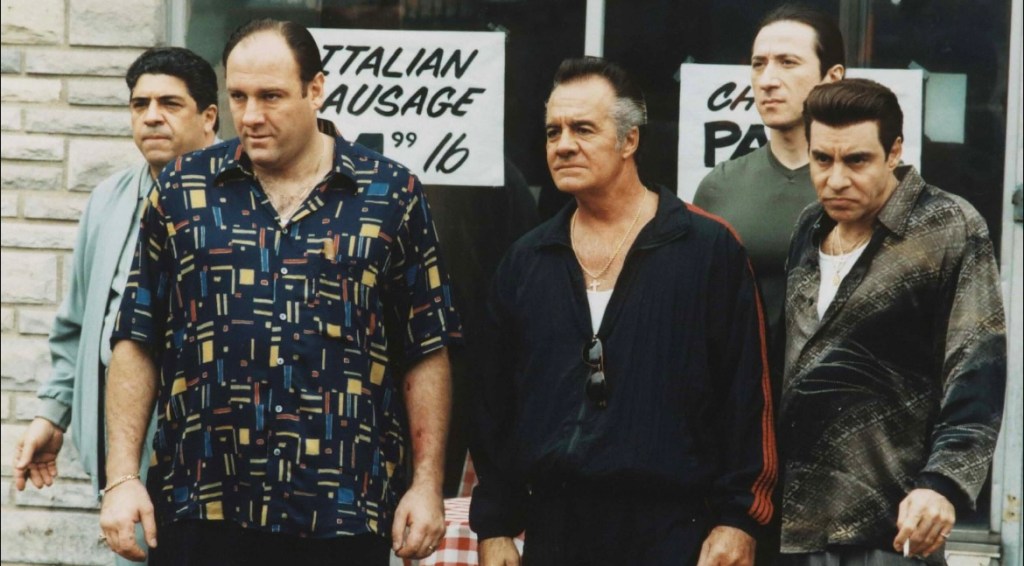
The HBO’s groundbreaking series, The Sopranos, redefined television from the moment it premiered on this day back in 1999. Its depiction of the mafia through the eyes of conflicted mob boss Tony Soprano, played with iconic brilliance by the late James Gandolfini, transcended genre limitations to become a profound exploration of family, identity, and the human condition.
A Series That Dared to be Different
It started by breaking the mold. For decades, mob dramas like The Godfather and Goodfellas painted organized crime with a seductive brushstroke. The mob dramas were often romanticized tales of power and riches. The Sopranos ripped off the rose-tinted glasses, exposing the brutal reality of a life built on violence and betrayal. It flipped the script completely. Tony’s world wasn’t glamorous penthouses and champagne wishes; it was strip malls, strip clubs, and the constant threat of violence. The opulent “McMansion” he craved came at the cost of sleepless nights, constant pressure, panic attacks, moral ambiguity and the ever-present fear of betrayal.
Tony Soprano is no Hollywood hero, he is a flawed protagonist. He’s also a murderer, a cheat, and a bully, yet Gandolfini’s nuanced performance makes him impossible to hate. We see his vulnerability, his struggles with anxiety and depression, and his genuine love for his family. This complexity challenged viewers’ expectations and forced them to confront the uncomfortable truth that evil can be deeply human.
But even the family dynamic, typically portrayed as a source of unwavering loyalty and support, became twisted in The Sopranos. Tony’s relationships with his wife Carmela, children Meadow and Anthony Jr., and mother Livia were fraught with tension, resentment, and manipulation. He couldn’t escape the toxic influence of his past, exemplified by the ever-looming figure of his ruthless father, Johnny Boy Soprano.
One of The Sopranos’ most subversive elements was Tony’s therapy sessions with Dr. Jennifer Melfi. The series’ true innovation was its use of these therapy sessions as a narrative device. While past mob dramas might depict therapy as a weakness, here it became a raw and revealing window into Tony’s psyche. We saw the vulnerability beneath the tough exterior, his fear and regrets, the anxieties driving his violent outbursts, and the deep-seated trauma fueling his self-destructive choices. This humanized the “wiseguy” archetype, forcing viewers to confront the emotional toll of a life built on crime. It made us grapple with the psychological underpinnings of Tony’s choices.
Perhaps the most significant break from convention was The Sopranos’ refusal to offer easy moral judgments. Tony wasn’t just a villain; he was a complex, contradictory figure capable of both heinous acts and genuine tenderness. We were encouraged to empathize with his struggles, even as we condemned his actions. This moral ambiguity challenged viewers to move beyond simplistic good vs. evil narratives and grapple with the messy realities of human behavior.
Beyond the Gangster Clichés

The Sopranos wasn’t just about Tony. The series boasted a sprawling cast of equally compelling and rich characters, each with their own unique stories and motivations. From the fiery Carmela Soprano to the volatile Christopher Moltisanti, the troubled “Paulie Walnuts,” and the cunning Silvio Dante, each character felt like a fully realized person, adding depth and nuance to the narrative. Beyond their individual trials and tribulations, each character added to this idea of the exploration of modern America.
We know the series wasn’t just about the mafia; it was a subtle commentary on modern American society. It explored themes of masculinity, consumerism, family dysfunction, and the American Dream gone sour. The opulent McMansions, the obsession with material possessions, and the underlying sense of disillusionment with traditional values painted a powerful and often bleak picture of contemporary life. This wasn’t the only cliche it moved beyond when redefining the mob/mafia genre.
The show’s controversial final scene, a sudden cut to black after Tony enters a diner, has been dissected and debated for years. Was it a death sentence? A moment of peace? The ambiguity left viewers to grapple with the show’s themes on their own, solidifying its status as a television masterpiece that continues to resonate long after its finale.
The Legacy of The Sopranos
The Sopranos‘ influence on television is undeniable. It paved the way for a new era of flawed, complex, character-driven dramas, from Mad Men to Breaking Bad to Game of Thrones. Its exploration of moral ambiguity, its blend of humor and violence, and its willingness to explore the dark corners of the human psyche and expose the hollowness of romanticized archetypes.
So, next time you revisit The Sopranos, remember that it wasn’t just another mob drama. It’s a meditation on the human condition. It was a cultural earthquake, a show that dared to peel back the facade and expose the raw, unflinching reality of a life built on violence and moral compromise. It made us confront the uncomfortable truths about ourselves, the darkness within us all and the world around us, and that’s what makes it a true television masterpiece even 25 years later.
 The Fade Out: A Movie Blog