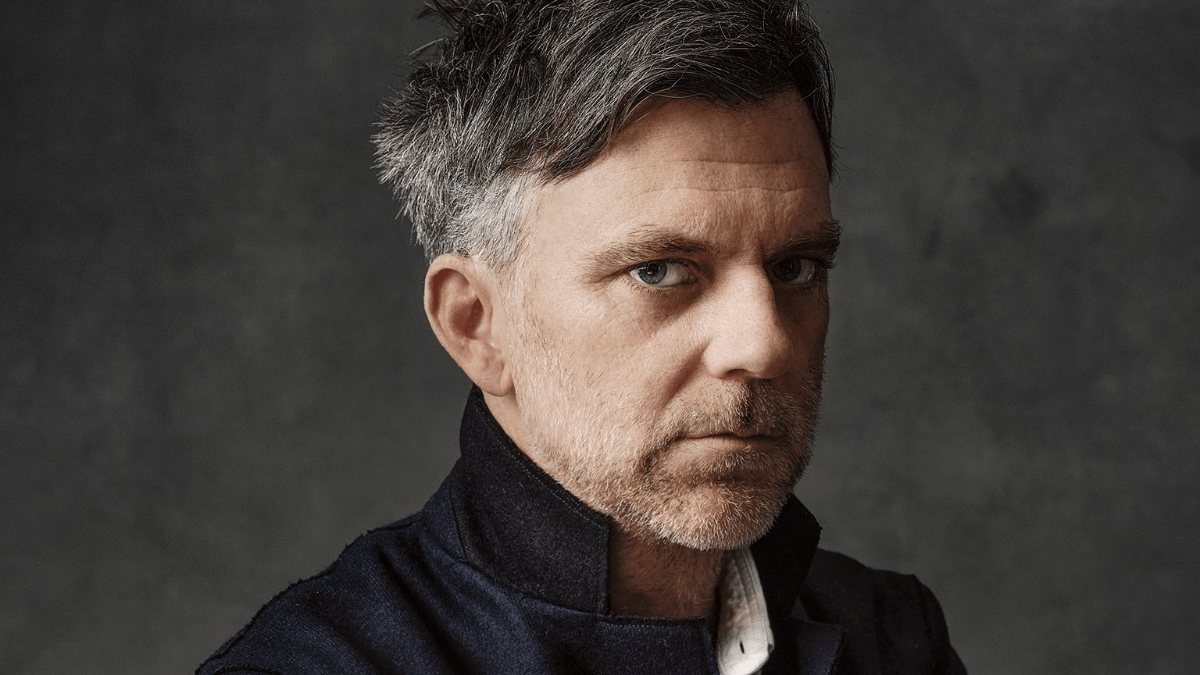
A Look Inside the Films of PTA
Today we celebrate the birthday of Paul Thomas Anderson who has directed 8 feature films to date, with an upcoming 9th set to be released sometime later this year. Since making his feature film debut with Hard Eight in 1996, PTA has become one of the most celebrated filmmakers in the US. He has developed a very distinct style over the course of his career, demonstrating a predisposition for films about flawed characters struggling with issues like alienation, familial dysfunction & denial that are noted for their bold visual style and memorable use of music. His movies have really evolved over the last two decades and in my opinion he is one of the few directors where I can really see his progression as a filmmaker. I guess you can say his directing style has become more mature and restrained with age. His early films were more chaotic and dramatic, built with extreme techniques & extreme performances. While his later films have a similar intensity, but it is often internal, more intellectual than physical. Now let’s take a look at some stylistic innovations & traits that are very PTA.
Stylistic Innovations & Traits
From a stylistic innovations & traits perspective PTA, makes frequent use of repetition to build emphasis and thematic consistency. In Boogie Nights, Magnolia, Punch-Drunk Love and The Master, the phrase “I didn’t do anything” is used at least once, developing themes of responsibility and denial, which are common themes explored within his films (see below). His films are also known for their bold visual style which includes stylistic trademarks such as a constantly moving camera, steadicam-based long takes, memorable use of music, and multilayered audiovisual imagery.
As I mentioned PTA is known for his affinity for kinetic camera work, namely his long tracking shots. However, he uses plenty of confusing camera moves, like in that opening scene of Boogie Nights. He frequently collaborates with Robert Elswit to capture these difficult, well-choreographed shots in virtually all of his films, including Magnolia, Punch-Drunk Love, There Will Be Blood, and Inherent Vice. He lets the scene unfold as it would if it were a stage play, with characters coming in and out, allowing the camera to “look around” with pans and tilts, which creates a voyeuristic feel to his films. It is truly a remarkable trademark and this type of camera works so well with the trouble/flawed characters we follow throughout his films.
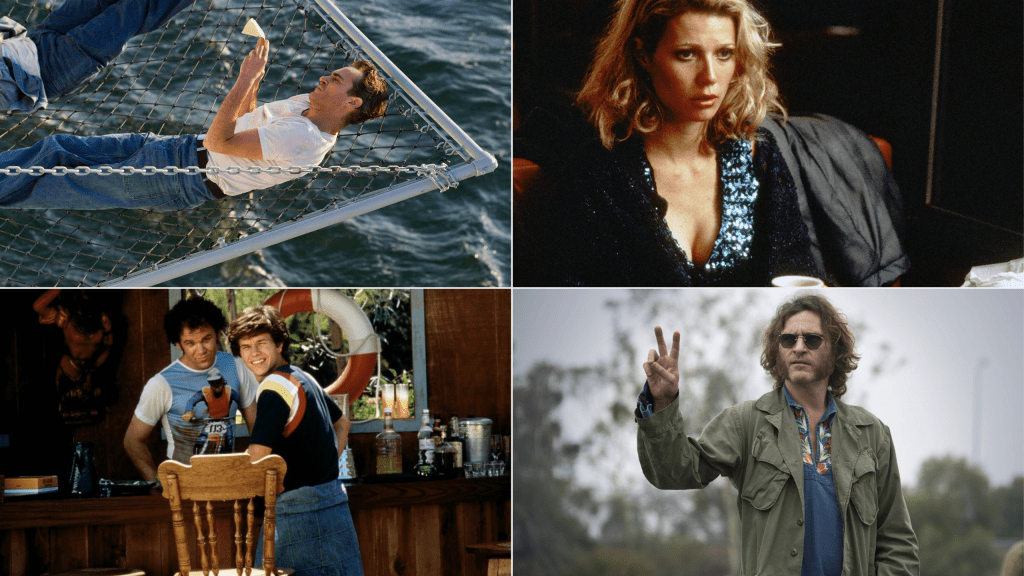
PTA is also known for his recurring cast and crew members which include the late, great Philip Seymour Hoffman and cinematographer Robert Elswit. Also since his film Punch-Drunk Love he has been collaborating with Jonny Greenwood of Radiohead for music composition and let’s just say that has only added to the already great films.
Common Themes
PTA is known for films set in San Fernando Valley, California with realistically flawed and desperate characters. Among the themes dealt with in his films are dysfunctional familial relationships, alienation, surrogate families, regret, loneliness, destiny, the power of forgiveness, and ghosts of the past. Within his first three films, Hard Eight, Boogie Nights, and Magnolia, PTA explored themes of dysfunctional families, alienation, and loneliness. In Punch-Drunk Love, Anderson explored similar themes, but expressed a different visual style, shifting away from the influences and references of his earlier films, being more surreal and having a heightened sense of reality. From my perspective this was the real turning point in his filmmaking career and you see the intensity shift to more of an internal dilemma than an outward struggle (which is still present just not as prominent).
There Will Be Blood truly stood apart from his first 4 films, but shared similar themes & style such as flawed characters, moving camera, memorable music, and a lengthy running time (his films are SO long). The film was more overtly engaged with politics than his previous films had been examining capitalism and themes such as savagery, optimism, and obsession. The Master dealt with ideas about American personality, success, rootlessness, master-disciple dynamics, and father-son mutually assured destruction. All of his films deal with American themes, with business versus art in Boogie Nights, ambition in There Will Be Blood, and self-reinvention in The Master. When you really look at his filmography, he does more than just make films to be enjoyed there is usually a lesson or some ideology to take away. I think it is safe to say that he hasn’t made a bad film yet.
Ranking the 8 Films of PTA
While we all anxiously await the arrival of his new film, I’ve gone ahead and ranked all of Paul Thomas Anderson’s movies from worst to best – or rather, from least great to greatest.
8. Hard Eight (1996)
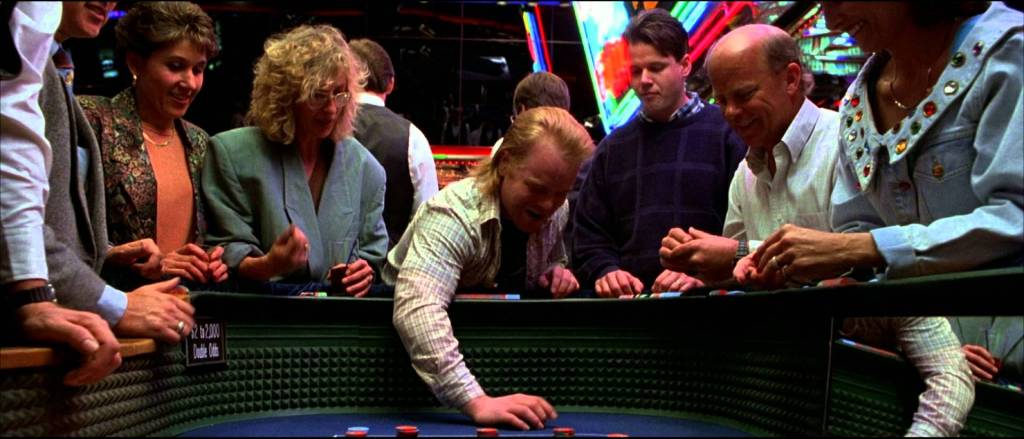
7. Inherent Vice (2014)
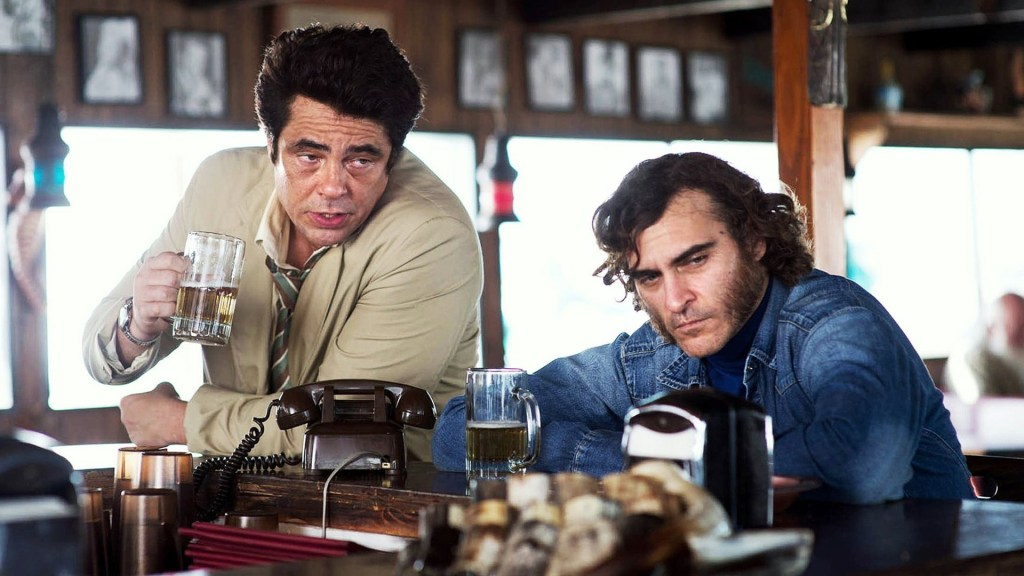
6. Magnolia (1999)
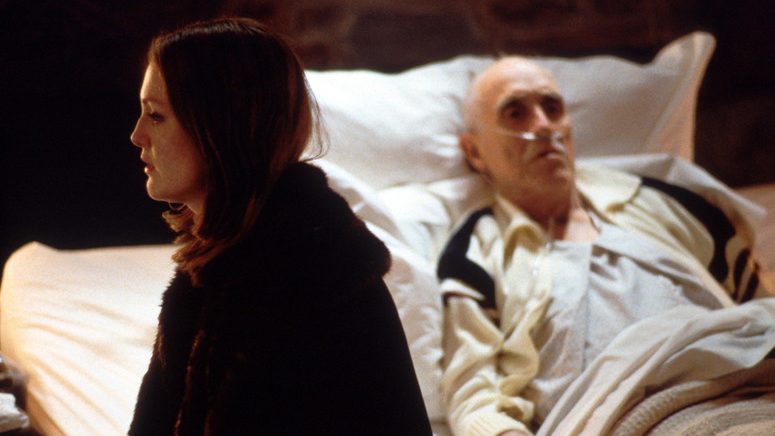
5. Punch-Drunk Love (2002)
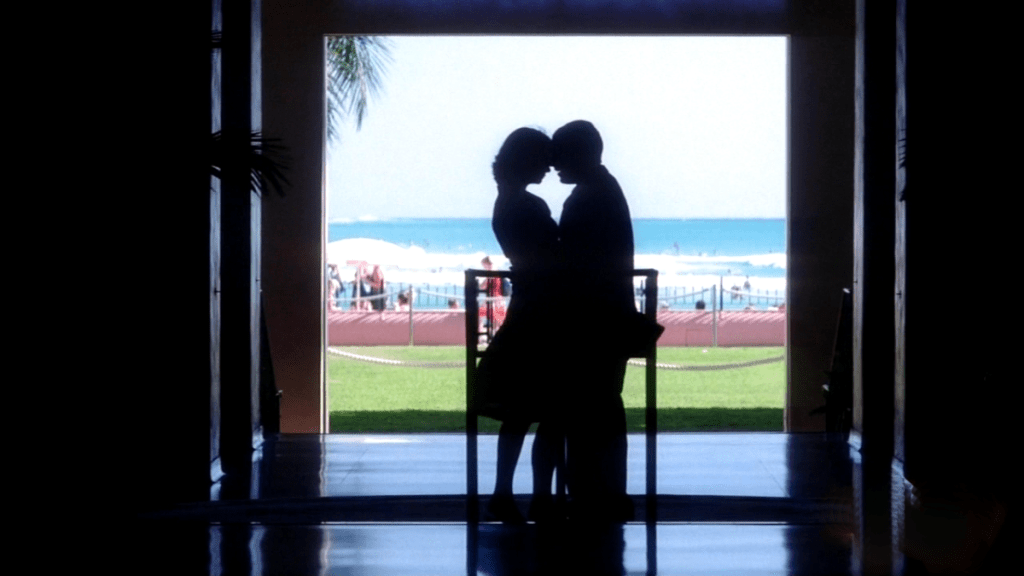
4. Phantom Thread (2017)
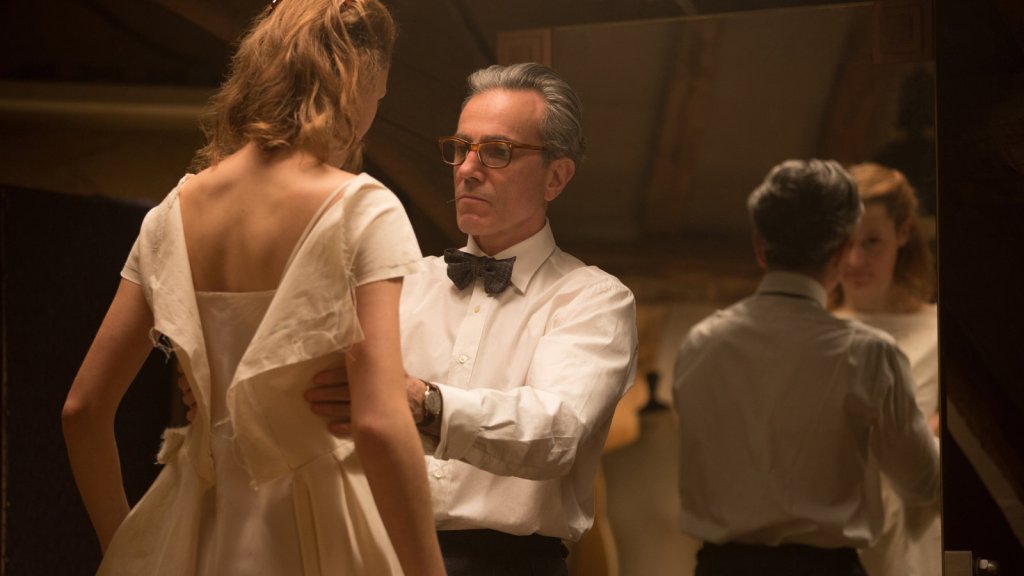
3. Boogie Nights (1997)
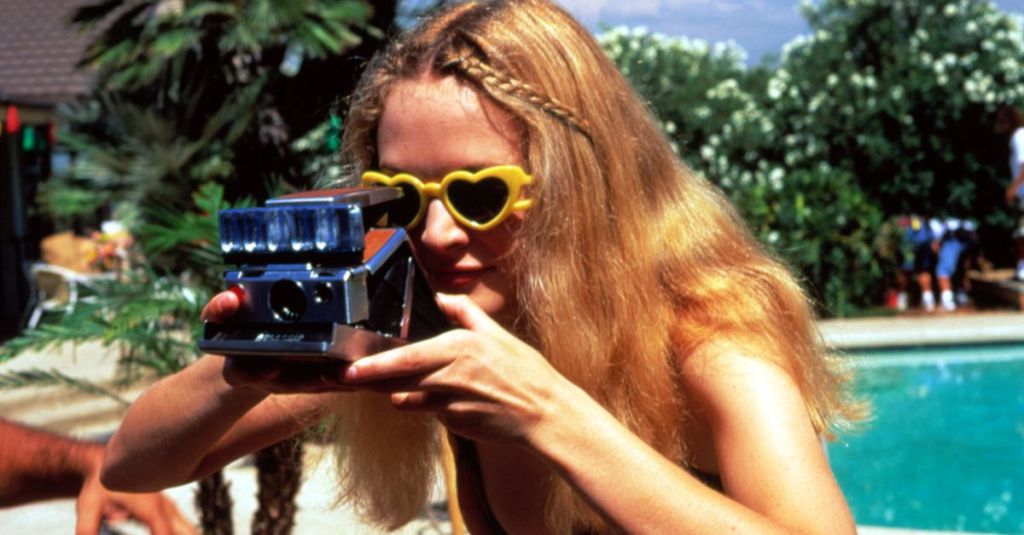
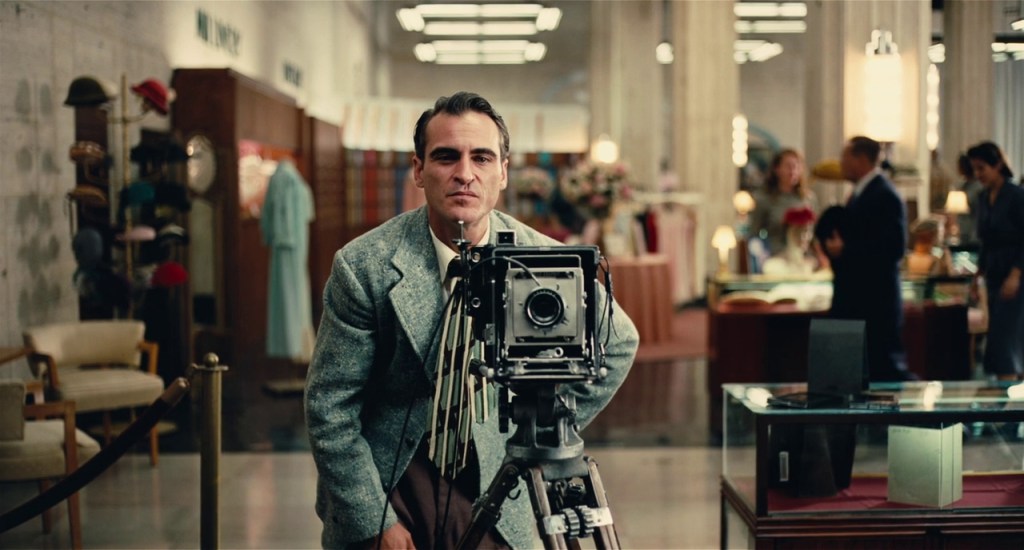
2. The Master (2012)
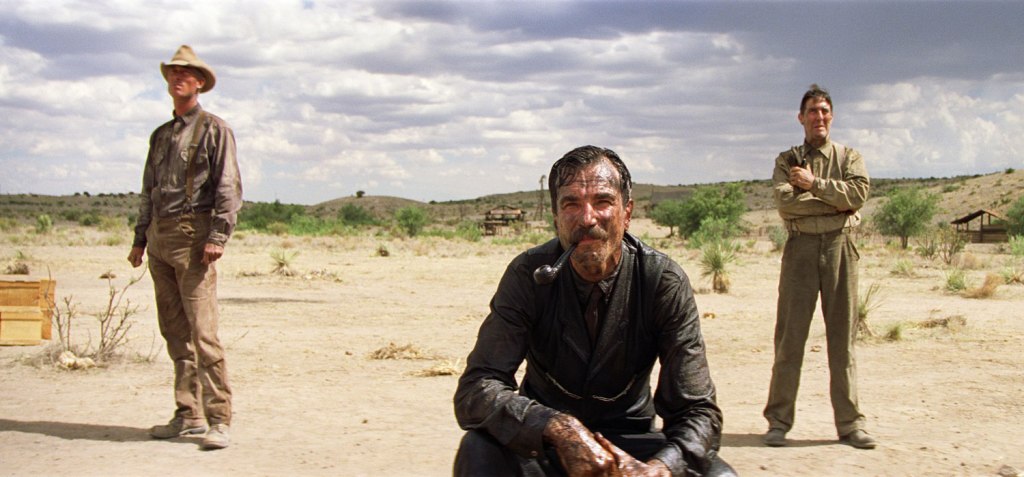
1. There Will Be Blood (2007)
 The Fade Out: A Movie Blog