A Look Inside: Garden State

The 2004 film Garden State written and directed by Zach Braff is one of those films that sticks with you after watching, at least for me. Even 17 years later the film still resonates with audiences, especially those who’ve dealt with depression or even just the feelings of being lost or lonely. I want to start off by saying to those who think the film hasn’t aged well or believe Natalie Portman amplifies this idea of the Manic Pixie Dream Girl – I hear your opinions but I strongly disagree on so many levels, which I will dive into later. I do believe we can all agree that Andrew Largeman (Zach Braff) is a hard character to get behind with his strong apathy towards life – however, for anyone who has experienced depression and has taken medication for it that feeling is completely relatable. Garden State is a film about those twentysomething tropes with a quirky cast and an absolutely incredible soundtrack. It is a film that realistically captures the feelings of being lost and lonely which a lot of people deal with in their 20s and even into their 30s and it showcases that life is short and you shouldn’t have to wait around to take action.
The film centers on Andrew Largeman (Braff), a 26-year-old actor/waiter who returns to his hometown in the Garden State of New Jersey after his mother dies. You can immediately tell that Andrew is a man adrift with the opening sequence of his bare, boring, and honestly sterile apartment to the bland environment of his childhood home which is strongly contrasted later in the film with the homes and rooms of his friends. The first act of the film contains a lot of negative space and single shots to really amplify this idea of him being lost, lonely and how he is a man adrift in life. Honestly, there are so many small cinematic techniques to showcase the development of Andrew throughout the film. Even the desaturated coloring to show the feeling of being depressed then slowly transitioning to saturated coloring as the story progresses to show contentment. This really falls in line with Andrew’s character arc as it shows the opening up / widening of his world and how for the first time in his life he is allowing himself to love and be loved in return.
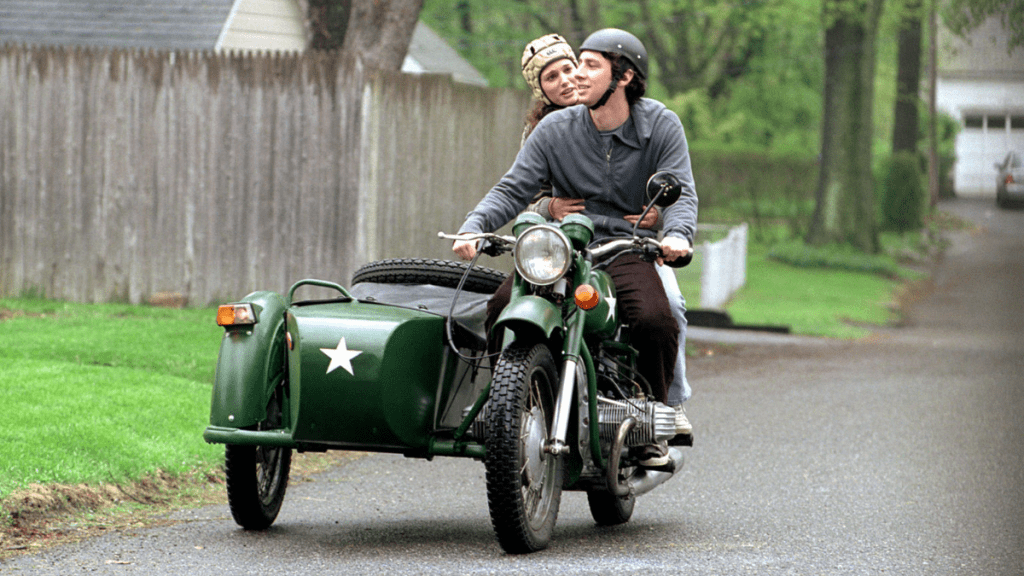
Your 20s are a very transitional time from first loves coming and going to truly being on your own but really this is when you start to discover who you are, and your mind starts to develop in ways you hadn’t seen before and Andrew is no different. It is a time where you start to see friendships also come and go because you develop new interests or hobbies. Honestly, this idea of coming and go in any aspect of life is wonderfully translated into the opening and ending scenes which center around airports / planes because at an airport you have arrivals and departures and at the end of the day this is what life boils down to (similar to the main theme of the 2009 film Up in the Air). It is a series of making choices and those choices will take you to where you need to go. Outside of this large piece of the twentysomething puzzle, like I said before your 20s are a time in your life when relationships and friendships tend to fall apart which can leave you to feeling lost and lonely. In part because for the last 10-15 years before that your identity has been centered around those around you instead of grasping and understanding who you want to be. And that feeling can be scary and leaves you feeling lost, lonely and maybe confused. Garden State is a film that shows us it is okay to have those feelings but also shows us that you are not alone and you don’t have to do it all by yourself.
Now, let’s discuss Sam (Natalie Portman) and her role within the film especially as it relates to this whole idea of feeling lost and lonely. While we don’t get a character arc like we did with Andrew – we can still see that Sam is struggling too. Yes, she is able to cope with the loneliness with a quirky mindset / attitude, but the feelings are still there and if you really look at her character you can see it. Many people argue that Sam is there only to help Andrew discover himself and grow as a person. I don’t disagree that she does these things, however, she isn’t just a narrative device to be used within the film, both of them help each other and learn how to accept not feeling so lonely and lost all the time. In life you meet people who help you learn and grow and evolve as a human and they aren’t just something passing in the wind are they? Sam, while a little underdeveloped as a character within the story, does just that and Andrew just doesn’t walk away. He knows that even though starting a relationship immediately after stopping all prescription medication and a highly emotional event (death of his mother & understanding his relationship with his father) – she is important to him and his life. I get how you can think the relationship is far-fetched and unrealistic since they’ve only know each other for a few days, but honestly I believe it could happen. I don’t doubt this idea of meeting someone and knowing that they are someone special almost immediately. If anything, the film shows us that life is short and you can’t just wait around for shit to happen or someone to happen into your life.
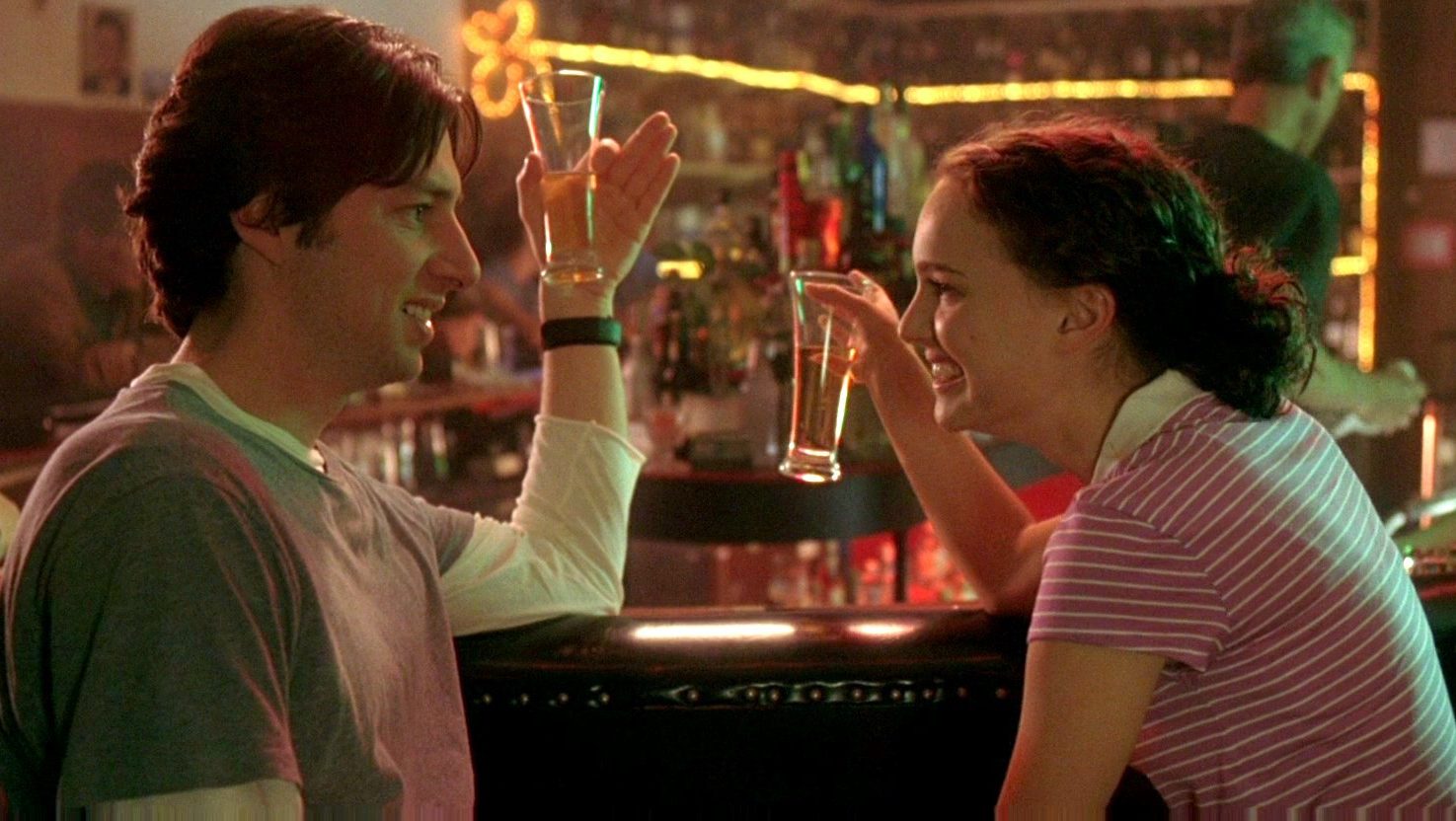
In the end, Garden State is a film that really shows me how much I’ve grown in the years since I’ve seen it and brings a sense of nostalgia (which you know I love). For me, it is a film that will continually resonate with me and remind me that even if I feel lost and lonely at times, it is okay but don’t sit around wasting time because life is short, and sometimes you just need to take action in order for things to change. Having made it out of my 20s, I can look back and see these real moments of awakening where I was standing in front of those arrival and departure signs and the choices I made got me to where I am today. Garden State beautifully teaches us stop waiting around for something to happen, this is all we’ve got so it is time to make the best of it.
“We may not be as happy as you always dreamed we would be but for the first time, let’s just allow ourselves to be whatever it is we are.”
Zach Braff, as Andrew Largeman
 The Fade Out: A Movie Blog