A Look Inside: Blue Valentine
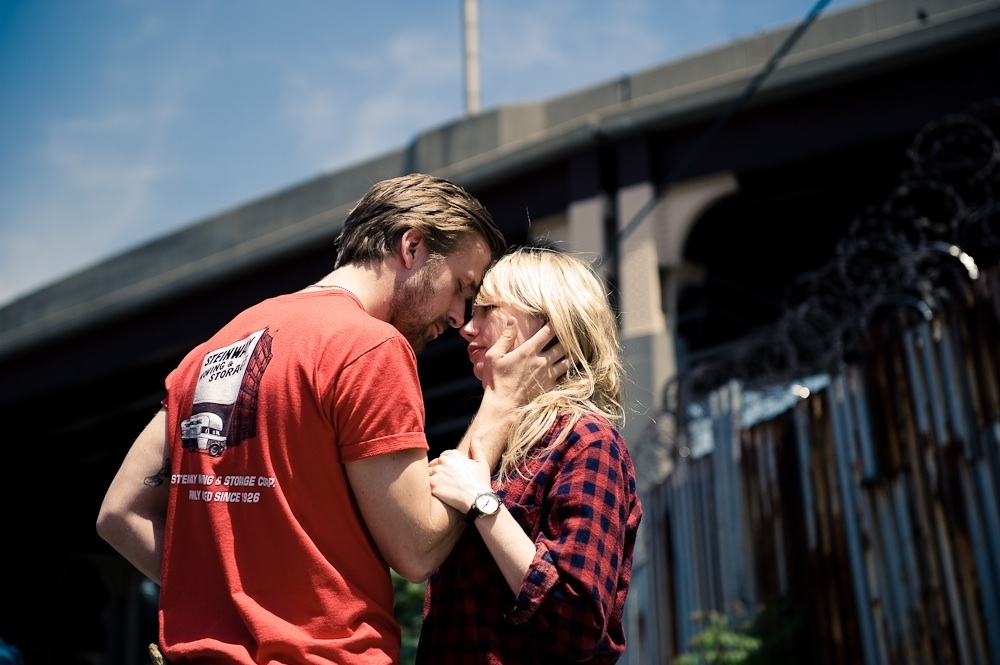
Some might say that this week’s blog post might be a little unusual since today is Valentine’s Day but it is important to note that Blue Valentine (Derek Cianfrance, 2010) speaks volumes to the reality of love. While there is tragedy, heartbreak and pain it is a film that showcases the possibilities that love and marriage might have for some people. The beauty of Blue Valentine does lie in the building of what looks to be a great love story but what a lot of films don’t show are the years after the blossoming romance and as hard as it is to watch, it is the inevitability of some relationships. I first saw Blue Valentine during a period in my life where this kind of story impacted me in more ways than one. At first I saw the story from Dean’s (Ryan Gosling) perspective but as I grew older and watched the film several more times I began to understand the full scoop of their story and understood both Dean and Cindy’s (Michelle Williams) perspectives. No matter where you might stand on the spectrum of love and marriage, Blue Valentine is an authentic yet brutal look at the undoing of love and marriage and how some things aren’t destined to work out.
In the opening moments we meet Dean and Cindy, two people stuck in a broken marriage. Like a number of modern day marriages, their daughter Frankie (Faith Wladyka) appears to be the only thing keeping them together but not even her presence can ease the tension and strain on their relationship. Meanwhile, Dean’s immature attitude during the morning ‘getting ready for school’ routine only makes things worse, undermining Cindy in front of Frankie and forcing her to be the only responsible adult in the room. What follows is a collage of memories, as we cut back and forth between the early stages of their blossoming relationship and the final collapse of their marriage. Very early on there is a duality established within the narrative: man vs. woman, past vs. present and ultimately marriage vs. divorce. The duality created masterfully by Cianfrance gives the audience the ability to view and relate to the story from either perspective depending on your point of view. Like I mentioned previously, when I originally watched the film I saw the rise and fall of the marriage completely from Dean’s perspective and in a sense saw Cindy as the unhappy one causing the downfall of the marriage. Like Dean “I’ve seen too many movies” and had this mindset of love can overcome anything and love is enough.
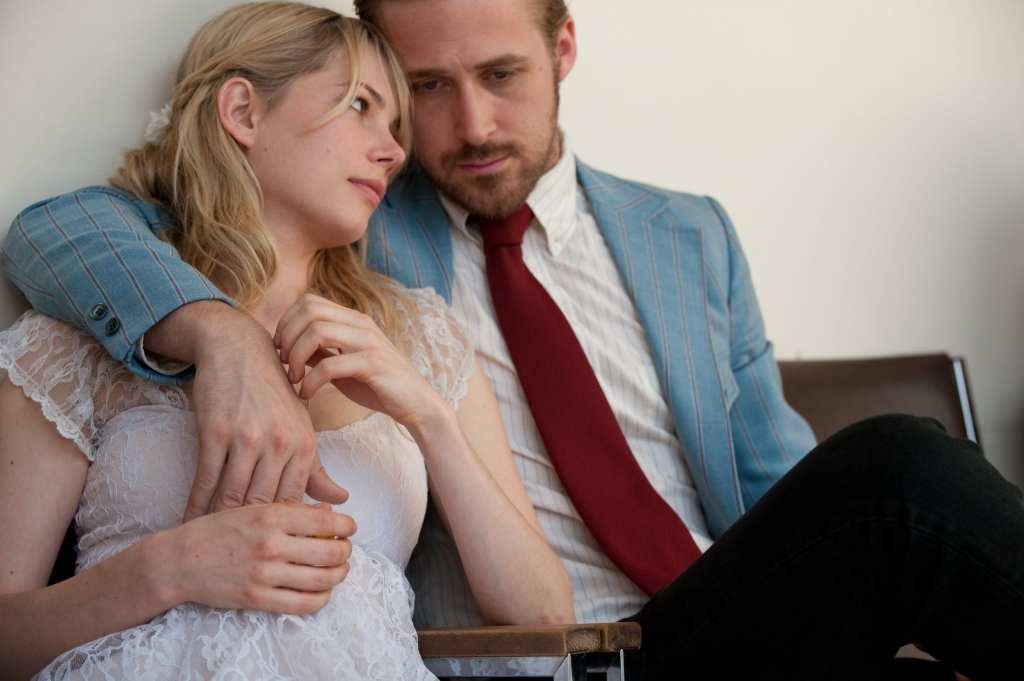
Jump to several years later and several rewatches later when I finally begin to understand the story fully and really grasp both perspectives. The duality of Blue Valentine is so beautifully done and Cianfrance managed to make an authentic, complex, dimensional film about love which has been mishandled over and over again in cinema. From Dean’s perspective, he stepped up in Cindy’s moment of need, and she dropped him when he was of no further use to her; she didn’t appreciate the sacrifices he’d made, and she refused to accept him for who he really was. As much as we hate to admit it, if you step outside the individual characters’ perspectives and look at the relationship as a whole, it’s obvious that Cindy and Dean were a bad fit from the beginning. Sure had they been together longer, and not been forced into a hasty marriage, they might have figured that out, and would likely have broken up before the wedding took place. Despite that, I think we all can agree that Dean and Cindy really did loved each other, but their “love” wasn’t sufficient to sustain their troubled relationship.
To understand why let’s take a look at Ira Reiss’s “Wheel Theory of Love” which outlines the four critical stages of love to recognize the inevitable breakdown of their relationship and marriage. The first stage of love starts with “rapport,” the ability of two people to feel at ease together and gain a sense of mutual trust and respect. From my eyes this initial stage came easy enough for both Dean and Cindy. The next stage is “self-revelation,” and can be defined as the disclosure of more intimate and personal details. Like most other people at the beginning of a relationship, both Dean and Cindy revealed the “good” parts of themselves but not the “bad.” Cindy never let Dean know how desperate she was for stability, and how she expected him to provide this for her and her child. With Dean never informing her of his drinking or lack of ambition (plus his strong lack of maturity). This was the first blockade in their relationship but since they kept these less attractive qualities to themselves, Dean and Cindy were able to move into the next stage, “mutual dependence.” At this point they began to rely on each other and became a “couple” with Dean agreeing to help raise a child that wasn’t his, moving in together and ultimately getting married.
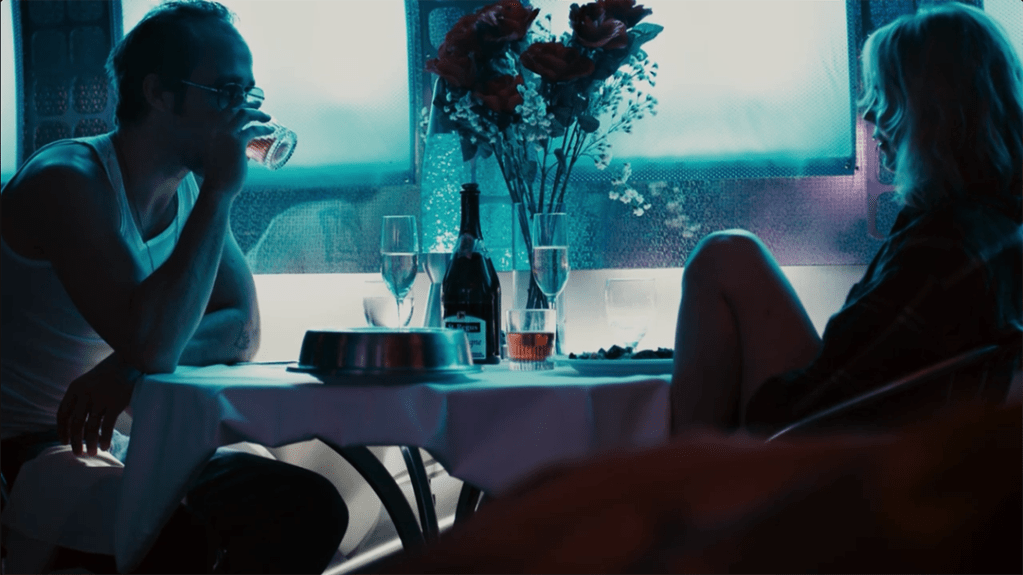
The final and probably the hardest stage is “fulfillment of personality needs,” which is the ability of partners to satisfy each other’s needs and desires. This is where the relationship really faltered because Dean and Cindy, due to their failures in stage 2 of self-revelation, didn’t really know or understand what the other needed. Dean’s abandonment issues made him almost pathologically romantic where he needed to be loved and in love while nothing else mattered…not his personal development or the needs of those around him. He was even willing to manipulate her, as showcased by the scene on the bridge, to meet his needs and get what he wanted. Dean’s need to be in love was harmless enough, but ultimately he was just selfish, insensitive and incapable of being a stable partner. His neediness and selfishness were unacceptable to Cindy and her past experiences taught her to be wary of becoming too dependent. She needed a stable, reliable, loving partner but in the end Dean was incapable of meeting this need and he couldn’t understand how she might want more from life than his affection. While I am still a hopeless romantic, I have come to understand the realities of love, marriage and the work it takes to be in a long term relationship. Love is important but it is also important understand the needs of your partner and communicate these needs properly. The important lesson Blue Valentine teaches us is not to give up on love or marriage but be smart about who you marry and don’t set or have unrealistic expectations of your partner or the relationship you have.
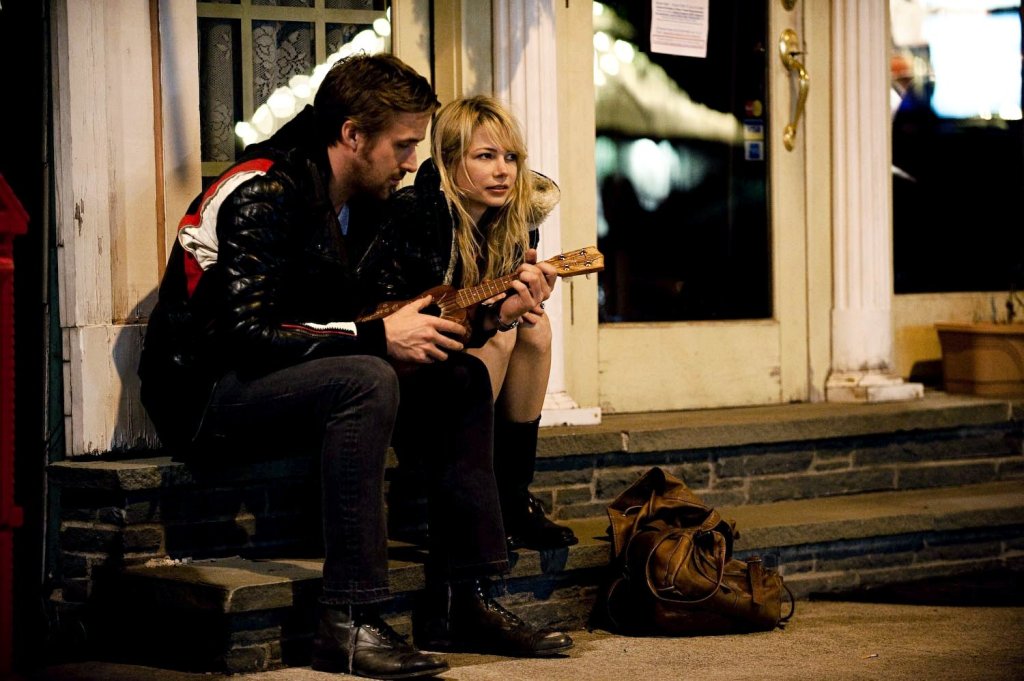
Blue Valentine can be an extremely hard film to watch given the intense nature of its narrative, however, it is a raw romance that gives us a dash of reality. We all hope and dream of kind of love story that Dean and Cindy had in the beginning but the real world and responsibilities tend to take over us even when we don’t want them to. The film’s duality helped ensure that we still care about these characters and can relate to their desperate attempts to keep their doomed relationship afloat. And that the final gut punch lands on an emotional level, while also acknowledging the inevitability of this troubled relationship. Blue Valentine is less a warning against the very idea of love but instead a reflection of how unstable and misguided relationships & marriages are sometimes just not built to last no matter how hard we might want them to survive.
“Maybe I’ve seen too many movies, you know, love at first sight. You think you could love somebody by just looking at them?”
Ryan Gosling, as Dean
 The Fade Out: A Movie Blog
Wonderfully well-written review! Blue Valentine was one of those films that I hadn’t heard a lot about before watching and I was surprisingly blown away by after viewing. It’s a hidden treasure in film and speaks volumes to the complexities of love. This review explores those complexities with beautiful detail.
LikeLiked by 1 person
Thank you so much! When I discovered this film I was absolutely blown away too.
LikeLike