
Ranked from Worst to Best
In honor of Sam Mendes turning 55 today, I’ve decided to changes things up a bit and take a look at all 8 of his films. Sam Mendes, British filmmaker and theatre director, marked himself as one of the key directors of the 21st Century very early in his career. Bursting onto the cinematic scene with an Oscar winning film (American Beauty), Mendes has continued to pursue daring, visually stimulating, and incredible work.
The list below ‘ranks’ these 8 films and explores their lasting narrative effects and stylistic diversity by examining how Mendes has navigated his filmmaking in the last 21 years with a knowledge and passion for storytelling.
8. Spectre (2015)

We start this list with Mendes’ second James Bond film Spectre and it was probably something of disappointment upon release. Coming off the back of the impressive Skyfall, it found a way to fall into old genre tropes and predictable Bond stereotypes. Though I truly believe that Mendes is much more effective directing intimate stories, a Bond film requires a a spectacular vision, and Mendes attempts to provide that here. But despite having a budget of nearly $300million, the sound design and stunning visuals are in constant conflict with the presentation of the same old clichés that someone can expect from a Bond film. That said, the amazing Christoph Waltz puts up a brilliant performance as the main antagonist, Blofield, saving the film a bit.
Spectre had the potential to be one of the best in the series with it’s psychologically driven narrative and the engaging tension of a crime thriller but it never really explores the issues it presents.
7. Jarhead (2005)
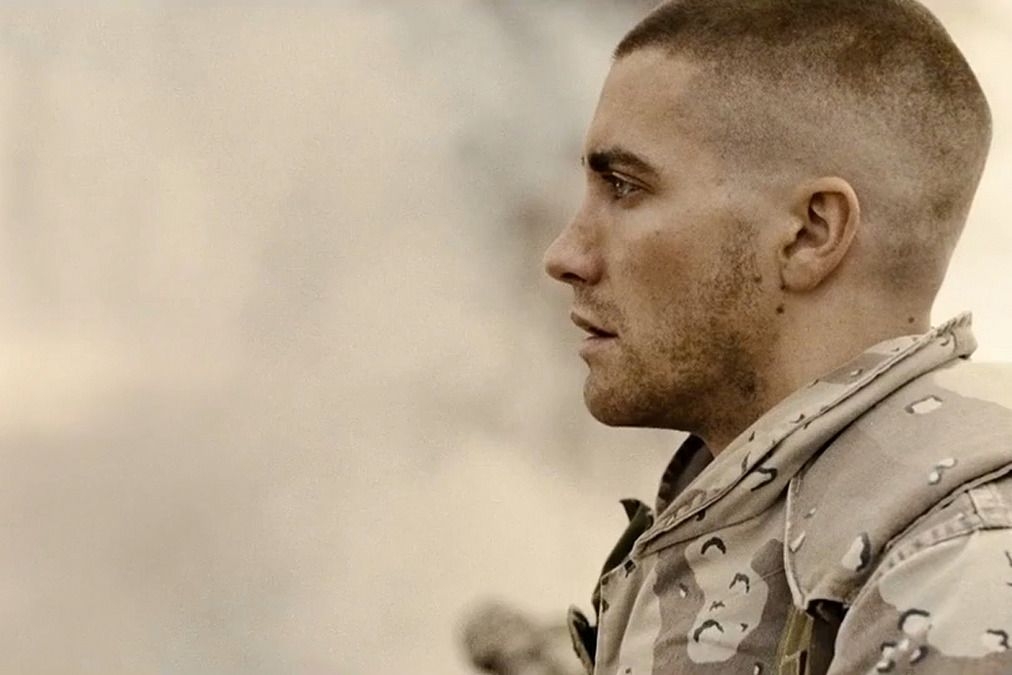
Next on the list is Mendes’ initial war effort, Jarhead. Unlike his most recent film, 1917 (which will be discussed later), it folds inwards, focusing its exploration on the psychological effects of the war setting. For me, this is Mendes’ weakest narrative however, his skillful direction allows us to sympathize with characters whose desire to help their country is replaced with disappointment, boredom (a common theme used throughout Mendes’ films), and unfaithful relationships. The cinematography is visually appealing and helps in creating a compelling battlefield that is left with the unfulfilled anticipations of more violence. I will say that Jake Gyllenhaal puts up a powerful performance as an insignificant soldier who is lost in a state of confusion and anxiety, making it worth the watch for me.
6. Away We Go (2009)
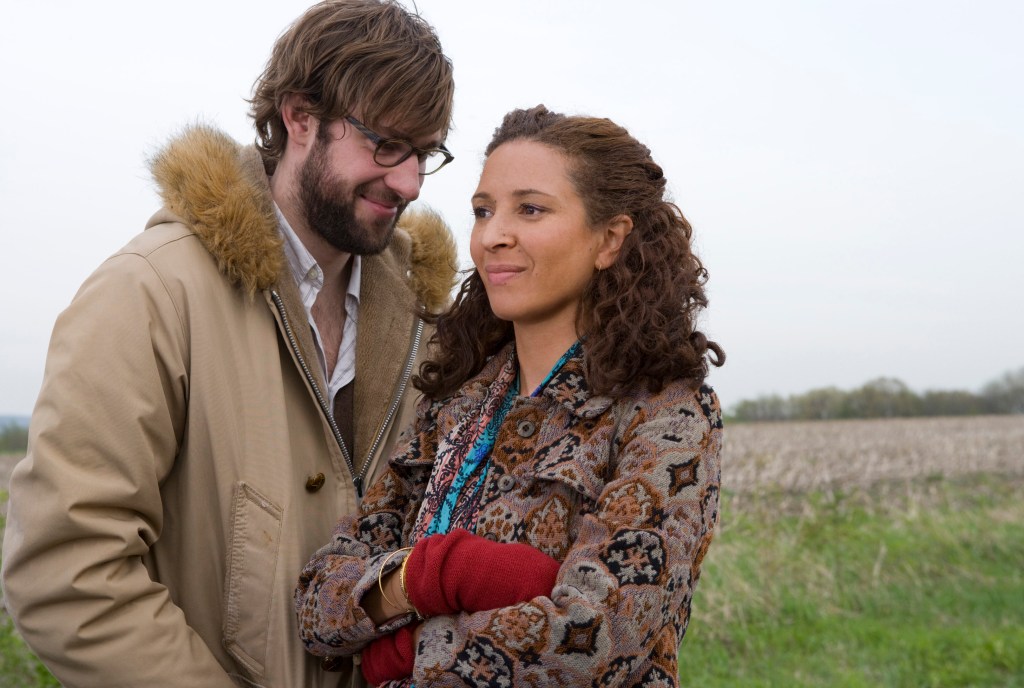
Away We Go is probably Mendes’ biggest stylistic departure since we are familiar with his use of striking visual style and heavy story. It is a delightful film that’s a unique addition to Sam Mendes’ filmography because it has none of the action spectacles that Mendes is famous for. It is an honest investigation of the concept of “home” and what it really means. Sweet and sensitive, the two lead performances (played by John Krasinski and Maya Rudolph) play a monumental part in making the film sentimental and funny as it relates to this idea of the home. They are in their early thirties and about-to-be parents, but they want to find a new home and as they visit a number of friends around the country to find a place to settle they realize that they need to forge their own path. With the direction of Mendes, the characters seem real instead of two-dimensional entities that honestly fail to really move anyone. It’s a surprisingly low-key film from Mendes and a welcome one.
5. Road to Perdition (2002)
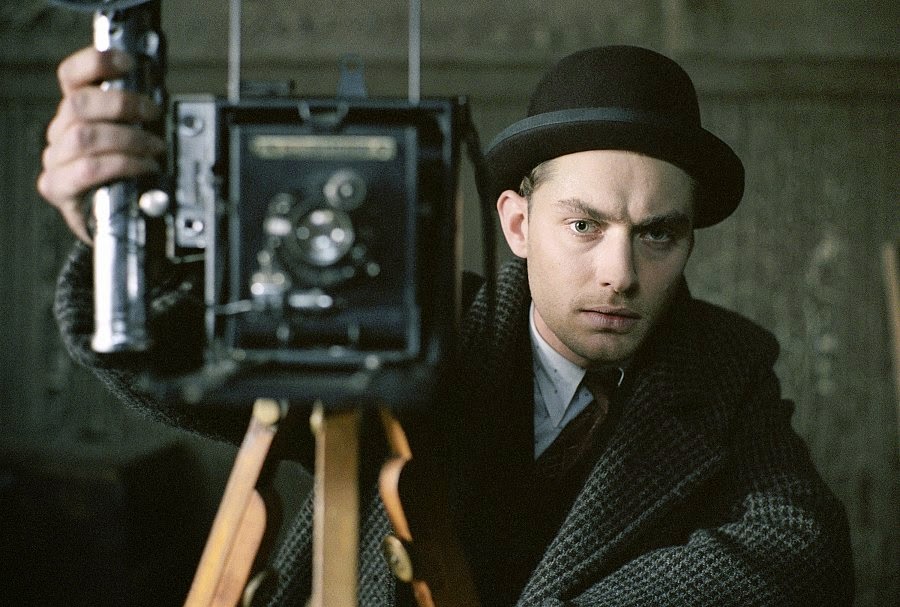
I would call the gangster film Road to Perdition a revenge film with a heart, which is a bit of a departure from gangster films of the 1990s. Much like most of Mendes’ work he really adds a bit of pathos and spirit into this seemingly unforgiving genre. Tom Hanks portrays a gangster (yes, really) and under Mendes’ direction, Hanks convincingly played a hitman with a conscience. Based on the graphic novel, Mendes’ film has relatively minimal dialogue, so it was up to him and cinematographer Conrad Hall to provide the shots that still resonate with me years after watching it. With Mendes choosing to reject more modern cinematic norms and focus on more classical conventions he was able to focus on those beautiful visuals and the well-done set design as the story slowly unravels.
The supporting cast is solid, particularly Jude Law as a nosy crime scene photographer and Daniel Craig as a resentful son of an Irish Mob boss. Mendes and Craig work particularly well together in this film so it might be said that Craig may have had a hand in bringing Mendes on board to direct his Bond thrillers in the later years.
4. Revolutionary Road (2008)
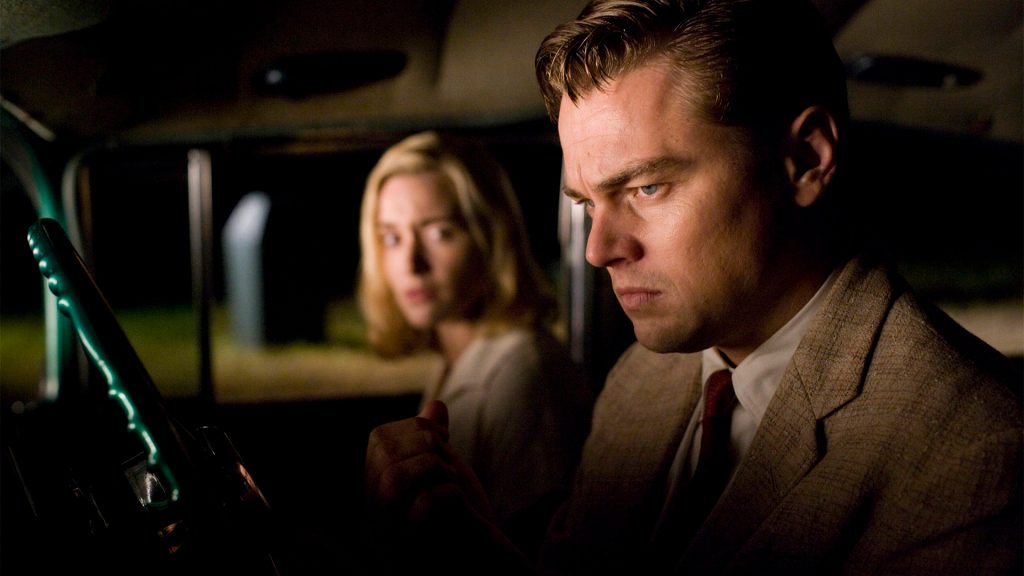
Honestly, Mendes triumphs suburbia. For me, Revolutionary Road is Mendes’ most thematically provocative and emotionally crushing film yet. This adaption of Robert Yate’s 1961 novel with the same name has some striking realizations and while our gender roles have changed since the 1950s, our desire for the American Dream is still very much there. Majority of Mendes’ films deal with the male psyche in conflict with surrounding forces but here we explore how that masculine turmoil often silences the female identity and Mendes’ controlled direction and great attention to detail are really shown in this film. He showcases the beautiful tension between love and fear among April (Kate Winslet) and her husband Frank (Leonardo DiCaprio). This tension combined with their own internal frustrations and external failings to conform and ultimately achieve a better lifestyle portrays the tattered remnants of the so-called American Dream. While no one really enjoys watching couples argue on screen both Winslet and DiCaprio give incredible performances in which they have never been more raw or exposed as they were in this film.
3. Skyfall (2012)

Arguably, the best Bond film…yet. Skyfall is another pretty lengthy Bond film, but Mendes jam-packs the running time with action galore, as well as a touching sequence in which Bond says goodbye to his beloved M (Judi Dench), giving this action film an unexpected sense of grace. With this film, Mendes proves that he can handle both tentpole action films that are crucial for a studio’s bottom line, as well as artistic films where he got his start. The film focuses on Bond’s quest to avenge an attack on MI6 by renegade agent Raoul Silva (Javier Bardem). Sam Mendes stays true to his style and sets up a story of tension and internal conflict and for me that marked Mendes’ first entry into the Bond franchise as a fresh and intelligent piece of storytelling.
2. 1917 (2019)
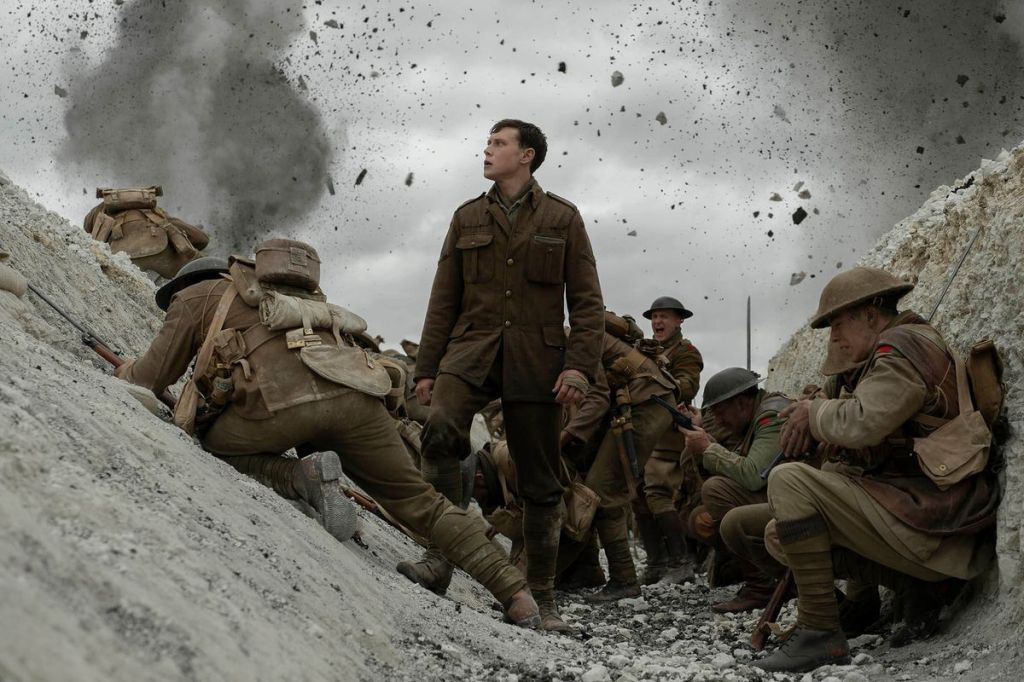
Notably, Mendes chose to tell the story in 1917 by stitching long takes together to give the film a ‘one-shot’ aesthetic (famously in Hitchcock’s Rope and most recently Birdman). A trick he played around with a little in Spectre, Mendes mastered it here on a much larger and ambitious scale within the context of WW1. By bringing the context of WW1, we are shown a new and brilliant effect in which Mendes is able to highlight feelings of claustrophobia and the endlessness of trench warfare. In addition, the steadied handheld cinematography that clasps and confines our gaze solely onto the two British soldiers adds a frenetic momentum which is a constant visual reminder of the frenzied, chaotic environment.
1. American Beauty (1999)
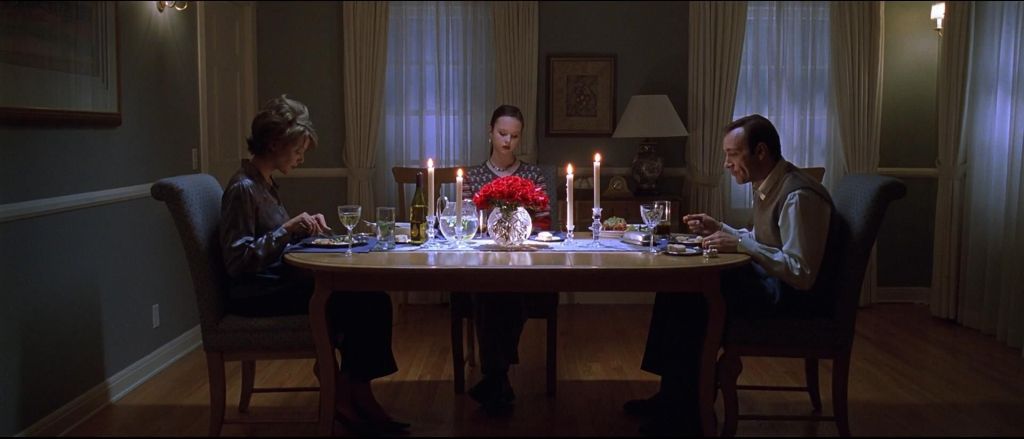
Mendes’ debut feature gave him win five Oscars (including Best Picture and Best Director) at the Academy Awards in 2000. American Beauty is a film that explores the emptiness of middle-class life and the corrupted inclinations that found their genesis in boredom and bourgeois sensibilities. While many argue the film’s relevance in modern times and how their “middle-class” life isn’t comparable to that class life now, the concepts are still very real. By using relatively simple shots, he enhances the storyline and lets the characters’ feelings erupt. Those feelings of imprisonment and conformity especially for the male lead are present in a variety of different ways throughout Mendes’ filmography. These feelings/themes are very present in this film, making American Beauty still very relevant in this world today. For me, the film remains Mendes’ finest film and if it is unsettling, it is because it is meant to be so.
 The Fade Out: A Movie Blog