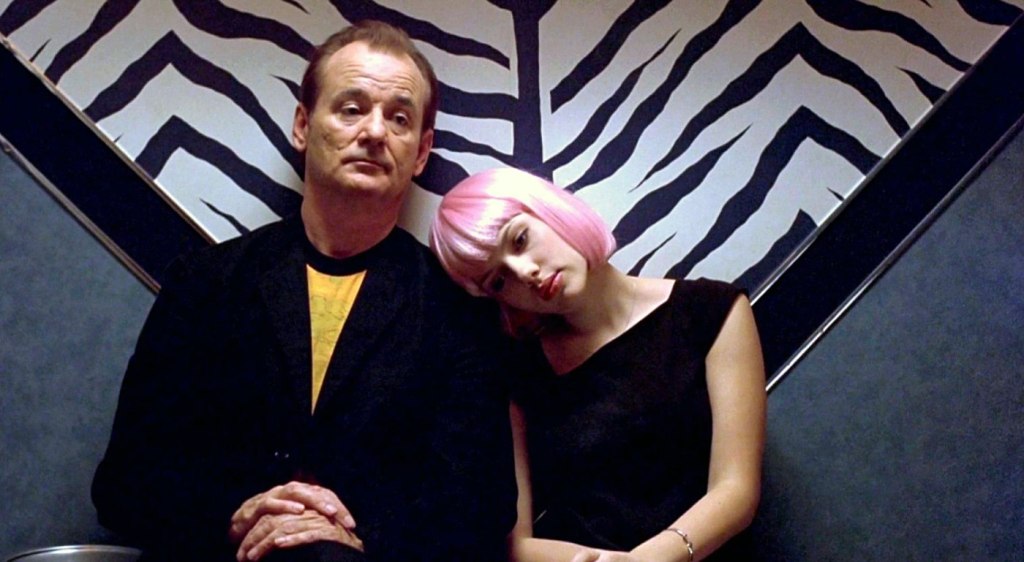
Warning: May Contain Spoilers!
Every once in a while, I stumble across a film that I can’t quite get out of my head for a long time and I am stuck thinking about it for weeks after watching it. Sofia Coppola’s 2003 romantic-comedy drama, Lost in Translation is one of those films. While I’ve never been to Japan, I’ve never had a brief romantic encounter while on vacation, I’m not married nor have I ever been, I’ve never been in a relationship with someone much older or younger than me but there is something indescribable about this film that just made me fall in love and it stuck with me long after the credits rolled. As I got older and rewatched the film again and again I started to realize what really drew me in the first place. When I first saw the film I was a teenager and like many teenagers I hadn’t really experienced a whole lot in life but looking back I can see that it was a brilliant portrait of loneliness and depression and at the time it made me feel like I wasn’t alone anymore.
Lost in Translation follows Bob Harris (Bill Murray) who befriends Charlotte (Scarlett Johansson) as they move about the unfamiliar landscape of Tokyo, Japan. Bob is a fading Hollywood movie star who arrives in Tokyo during the height of a strained 25-year marriage and a midlife crisis. His life changes when he meets the equally lost soul of Charlotte and the two form an unusual romantic bond as they learn together to let go of things that make them unhappy and choose to live their lives to the fullest. The film is celebrated for its thought-provoking depiction of alienation and disconnection against a backdrop of cultural displacement and Coppola’s conscious choice for an absence of interaction, noise and dialogue throughout. The visual language shows us that both characters feel isolated, lost and alone while they seem to be acting as more observers than active participants in the world that surrounds them.
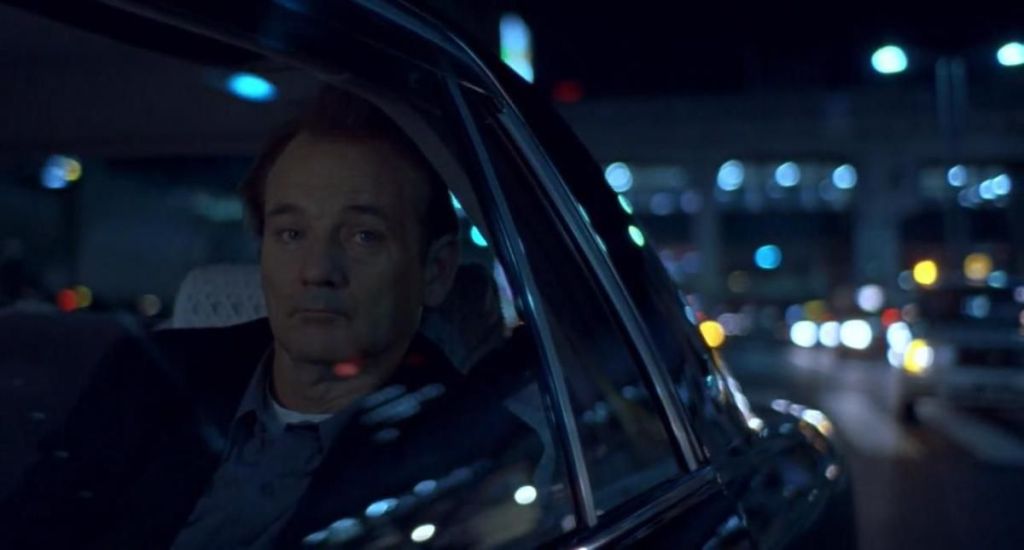
The feelings of loneliness shown throughout these initial scenes can happen to anyone, anywhere but it’s all exacerbated further by them being so far from home in a country whose language they don’t speak and whose culture they don’t fully understand. The relatively simple, yet stimulating, narrative takes it’s time giving us the opportunity to digest the characters before their worlds connect. Those who have seen the film know that it can be broken up into three parts with the first being exclusion/isolation followed by searching/discovery and finally a form of loss. The first scenes of them are filled mostly with out of focus shots and open spaces filled with landscapes/windows which really amplifies those feelings of isolation. Most of their time is spent in their hotel rooms, which acts as a prison of security, only occasionally venturing out into the world outside as if in search of something. But as anyone who’s suffered from depression knows, it’s not always so simple to just shake off that feeling. This is something I can relate to because honestly one of the most difficult things of living with depression is the inherent feeling of isolation. This is why so many people, like me, advocate for the open discussion about mental health. However, in reality the unfortunate truth of what happens to many who try and share their feelings is that those thoughts and feelings go unheard as we saw depicted in the film. The disconnection of communication is shown within each of the character’s marriages since they can’t seem to find a way of communicating effectively or really just connect at all with their significant other plus the disconnection between the people around them due to the language barrier.

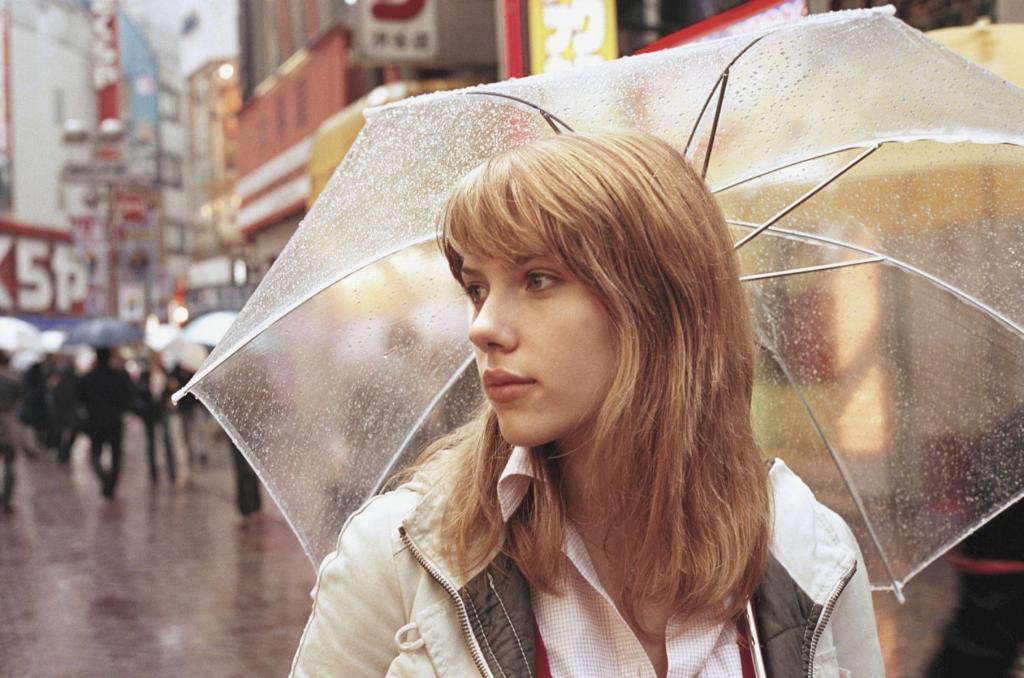
When we finally get to see Bob and Charlotte together, which is about 30 mins into the film, we are shown a completely different story. Up until this point and honestly even after, every other interaction that they’ve had with the rest of the characters has been strained but when we finally see them together everything just seems natural and we are shown that they can just have fun with each other. This is where the Tokyo backdrop plays a key part in the film because it represents a different color of emotion and as their relationship develops, we see more balance within their lives showing us that the external world is a representation of their internal minds and their shared relationship. We are shown a few scenes from earlier on mirrored later like roaming the streets becomes an adventure and watching TV alone because they can’t sleep becomes a fun way to spend an evening in. It is these moments together and their moments alone that displays a stark contrast that speaks volumes to the effect they have on each other and what really makes the ending of the film so incredibly powerful. As in real life, when we meet someone new that we really connect with we never know how long our paths will remain connected. When you have those feelings of isolation or depression, that real genuine human connection is what saves us, it saves us from ourselves. In life everyone needs to feel heard, seen, respected and loved but sometimes it’s easy for people to get caught up in everything else going on in our lives that we can forget that or maybe we just forget what it even looks or feels like. We’ve all seen it happen all too often in some relationships where two people have fallen out of love but ultimately choose to stay together despite this growing sense of distance between them and they are unable to see an easy way out.
As I’ve gotten older and the more, I’ve watched this film, I can really see that kind of situation translated in this film. To contrast that feeling of being lost in a relationship the scene where they are both in bed really stands out to me because it is at this point when we see both Bob and Charlotte allowing themselves to be truly vulnerable and they are heard for the first time. I think this scene is what makes the film so beloved because in any other romance film this is where they’d have sex or even a heated argument of passion but here the most intimate and deepest scene in the film is just them…talking. There is a sincere tenderness surrounding their performances and the honesty between both characters show us a real display of the value and respect they have for one another. We see them just talking about their fears, concerns about their lives and their relationships, the future and this is also where the film’s title can be interpreted into having a different meaning. In society, we can consider every attempt at communication is a form of translation, we are translating our thoughts and our feelings into words with meaning but sometimes those thoughts and feelings get lost in translation even when it’s with someone we are close to. We see that love itself is like a language that stretches beyond just words and it is something we all struggle to really understand at some point in our lives. Lost in Translation gives us a glimpse at what that should look like and that includes communication, trust, vulnerability and the ability to make a memorable experience even out of the dullest of moments. When you are able to experience and feel that kind of love, it can ignite a spark in your life that changes everything, and it can make you feel alive again and that is something worth holding on to.
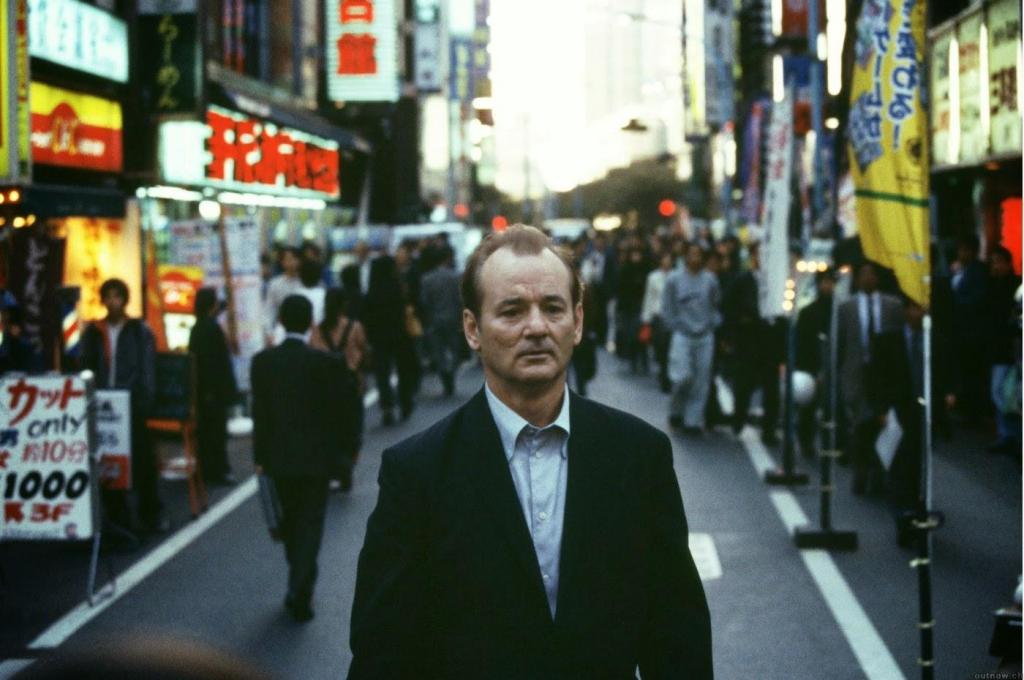
Even though we don’t know exactly what happened to them, I like to think that their relationship taught Bob and Charlotte something about what it is supposed to be like and that even though it’s not always going to be perfect you can find people who will share in that struggle with you. You can find people, even when in a foreign country, who will be there to listen when you need it most and they will be there to offer words of consolation or even just a comforting touch that let’s you know that you’re not alone. Despite everything that might be going on in life, when you watch the film’s final scenes you can really relate the journey both characters have been on and it leaves a small gap for you to fill the rest of their story and that feeling is what made me really connect with this film.
“The more you know who you are, and what you want, the less you let things upset you.”
Bill Murray, as Bob Harris
 The Fade Out: A Movie Blog